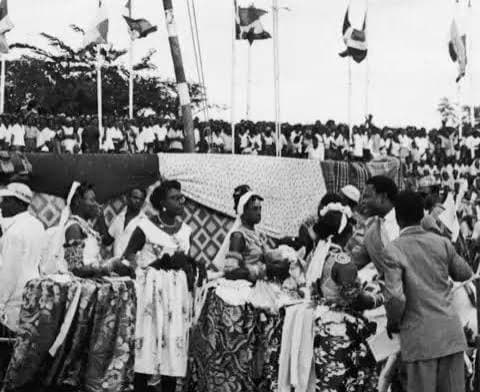
On the morning of October 1, 1960, Tafawa Balewa stood before a massive crowd at the Racecourse (now Tafawa Balewa Square) in Lagos. The Union Jack was lowered, and the green-and-white banner of independent Nigeria rose in its place. As the first Prime Minister of an independent federal republic, Balewa’s voice carried the weight of a nation’s hopes.
"This is a wonderful day," Balewa began, his deep, resonant voice earning him the nickname 'The Golden Voice of the North.' "We are standing on the threshold of a new era... we have acquired our freedom with quiet dignity, and we are determined to maintain it."
Balewa's speech was characterized by optimism, thanking British administrators for their transition efforts and calling on all Nigerians to unite despite their regional and ethnic differences. However, historians note that behind the celebratory rhetoric lay deep-seated constitutional compromises. The federal structure, divided into Northern, Western, and Eastern regions, held structural imbalances that would test the stability of the young republic within less than a decade.
Reading Balewa’s independence address today offers an archive of a transitional moment. It captures the initial promise of democratic sovereignty, serving as both a monument of post-colonial triumph and a reminder of the complex federal negotiations that continue to define Nigerian governance.