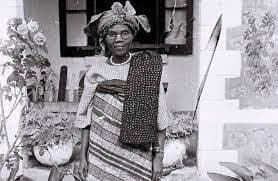
In the late 1940s, the Alake (King) of Abeokuta, Ademola II, faced an unprecedented challenge. It did not come from rival chiefs or colonial gunboats, but from a union of market women led by a local headmistress. Her name was Funmilayo Ransome-Kuti.
Funmilayo, the first woman in Nigeria to drive a car and a passionate advocate for women's literacy and franchise, recognized that colonial warrant chiefs and local monarchs were using tax policies to exploit peasant women. Women were taxed separately from men, even as young as fifteen, while receiving no political representation or economic support.
In response, she founded the Abeokuta Women's Union (AWU). She organized massive, highly disciplined protests, bringing together over 20,000 women. The women utilized strategies of civil disobedience, marching to the Alake’s palace, refusing to pay taxes, and even singing satirical songs that ridiculed warrant chiefs. When British authorities used tear gas, Funmilayo taught the women how to protect themselves using wet cloths.
"We fought not just for the removal of the tax, but for the representation of women in the local councils. We demanded a voice in the affairs of our land."
Her efforts were successful. In 1949, the Alake was forced to abdicate his throne temporarily, the separate tax on women was abolished, and women were granted seats on local councils. Funmilayo went on to travel globally, advocating for women's rights and national independence, establishing a legacy of radical activism that would inspire generations of Nigerian reformers.